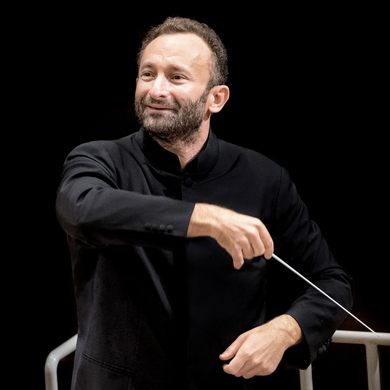
Born in Brooklyn, the composer, conductor, violinist, and educator George Fredick Bristow (1825–1898) beat the drum tirelessly for American classical music at a time when such a thing was barely thought to exist. Items that jump off the page in the considerable though not vast catalogue of his works include the opera Rip van Winkle, the ode The Great Republic, and the last of his five symphonies. Written for “grand orchestra and chorus” and titled Niagara, it premiered at Carnegie Hall in 1896, never to be heard again—until now, thanks to the indefatigable cultural historian, musicologist, and conductor Leon Botstein, the American Symphony Orchestra, and the Bard Festival Chorale. Further curiosities on the program include the Festival Overture (on the American National Air, “The Star-Spangled Banner”) by Dudley Buck (1839–1909) and an American Centennial March by Richard Wagner (yes, that Richard Wagner, who knew?). For many, a set of spirituals in arrangements by Harry Burleigh (1866–1946) will be a discovery, too, and possibly a revelation. His place in the transformation of “cabin songs” and “slave songs” to staples in the recital repertoire of Marian Anderson, Paul Robeson, Leontyne Price, and countless other Black artists is little remembered. Time for new generations to discover America? —Matthew Gurewitsch
Arts Intel Report
American Symphony Orchestra presents "Forging an American Identity"
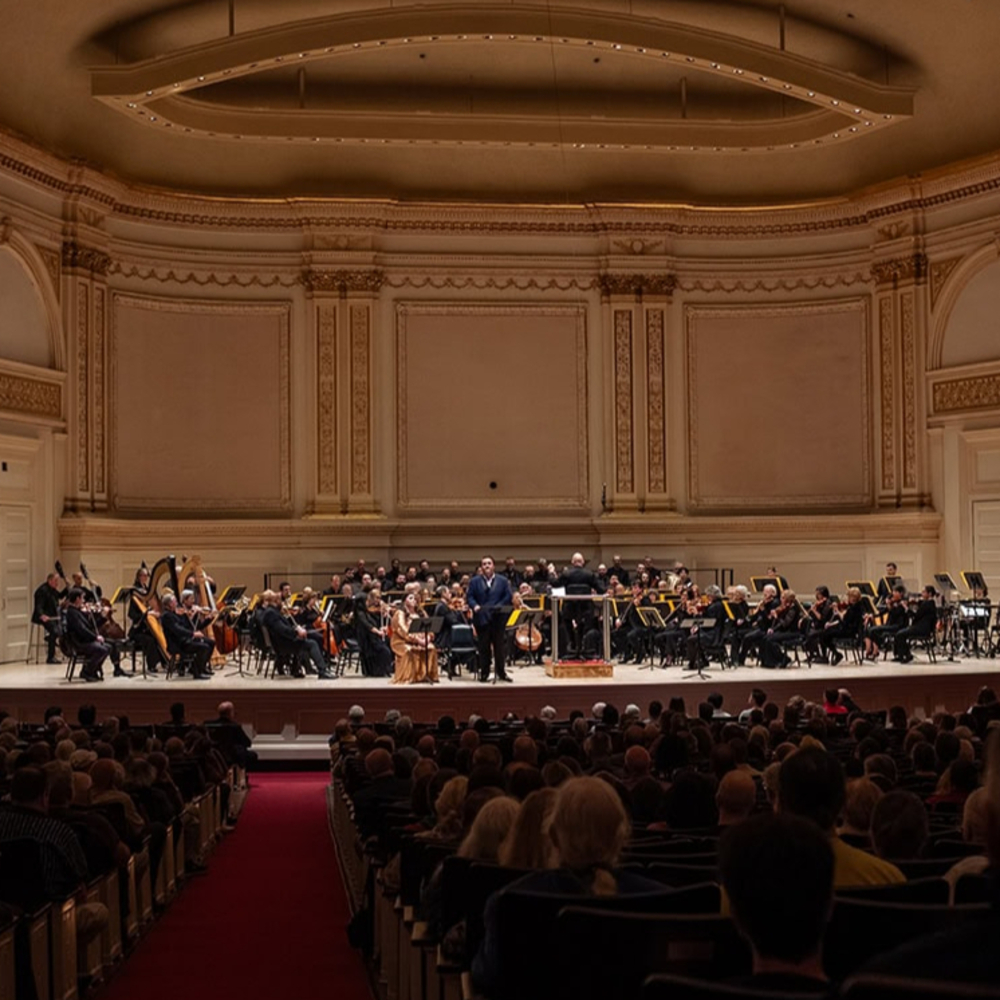
The American Symphony Orchestra