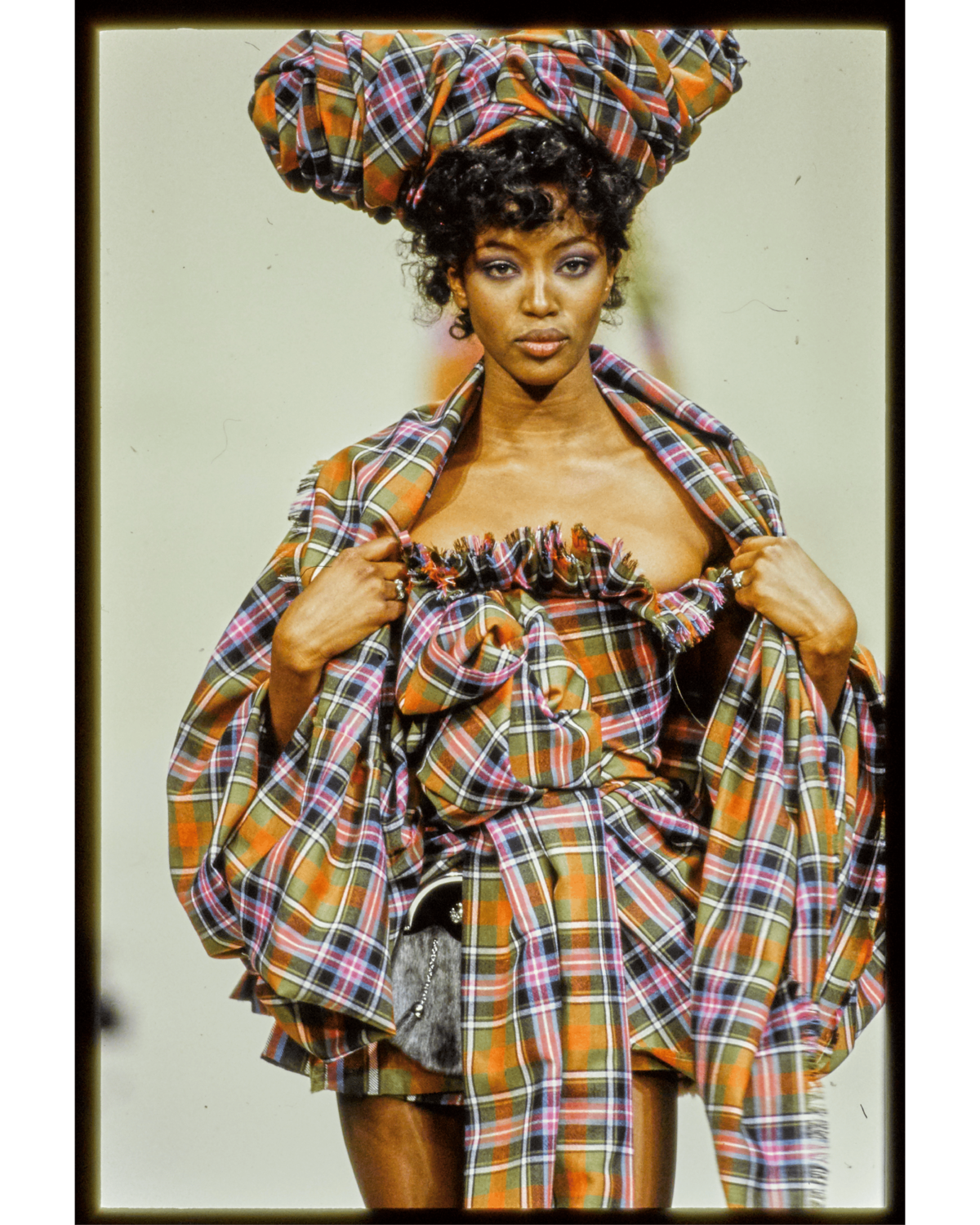
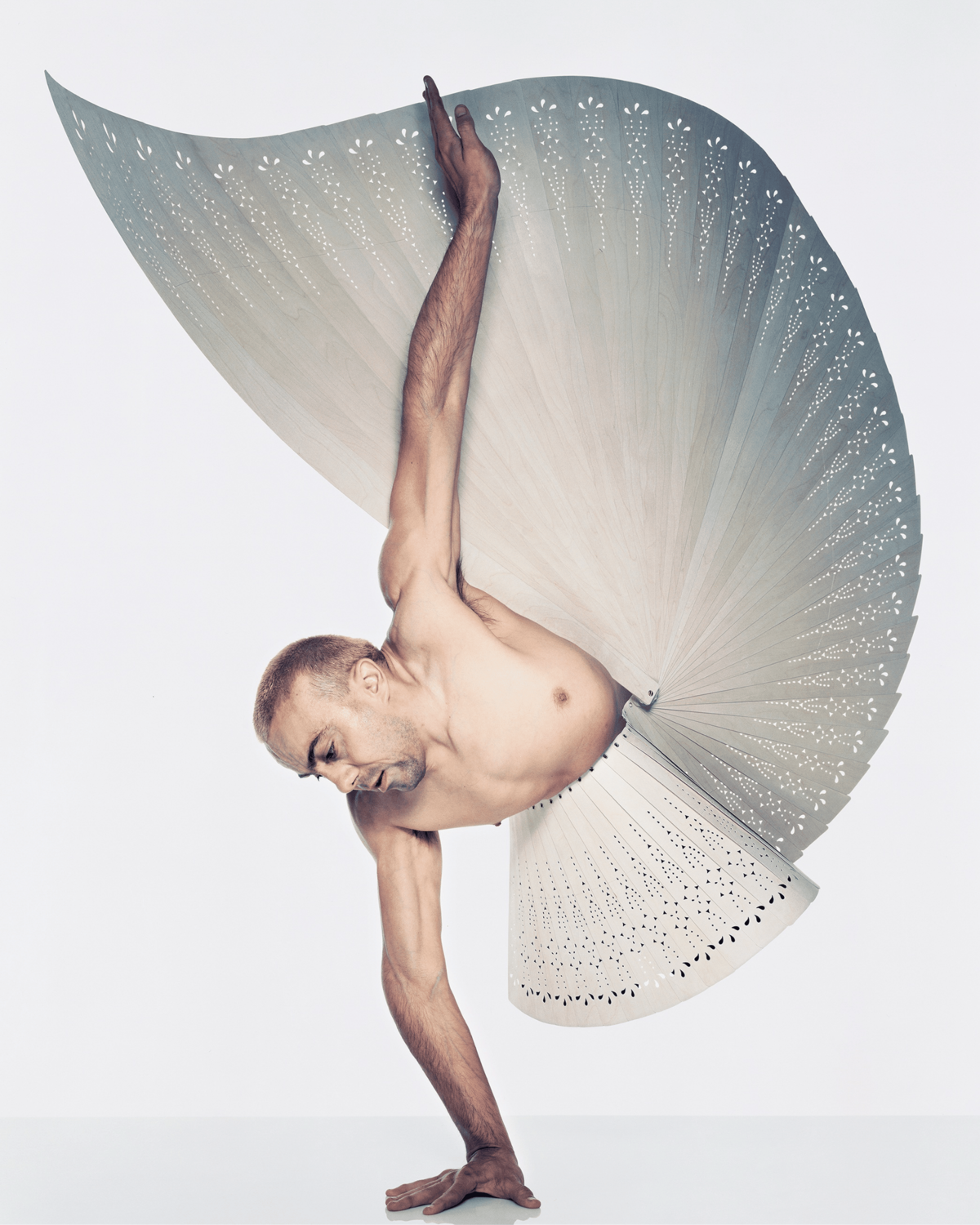
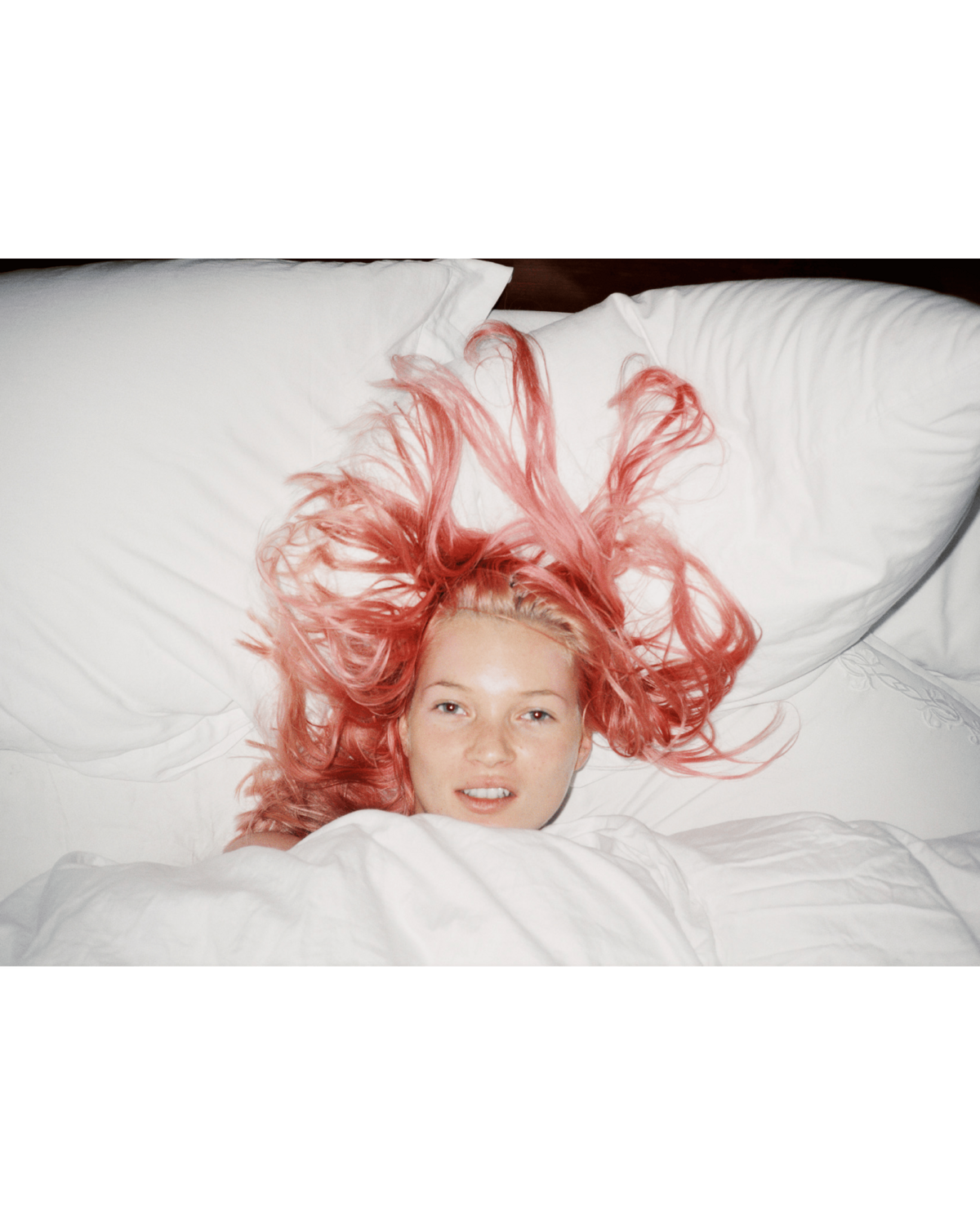
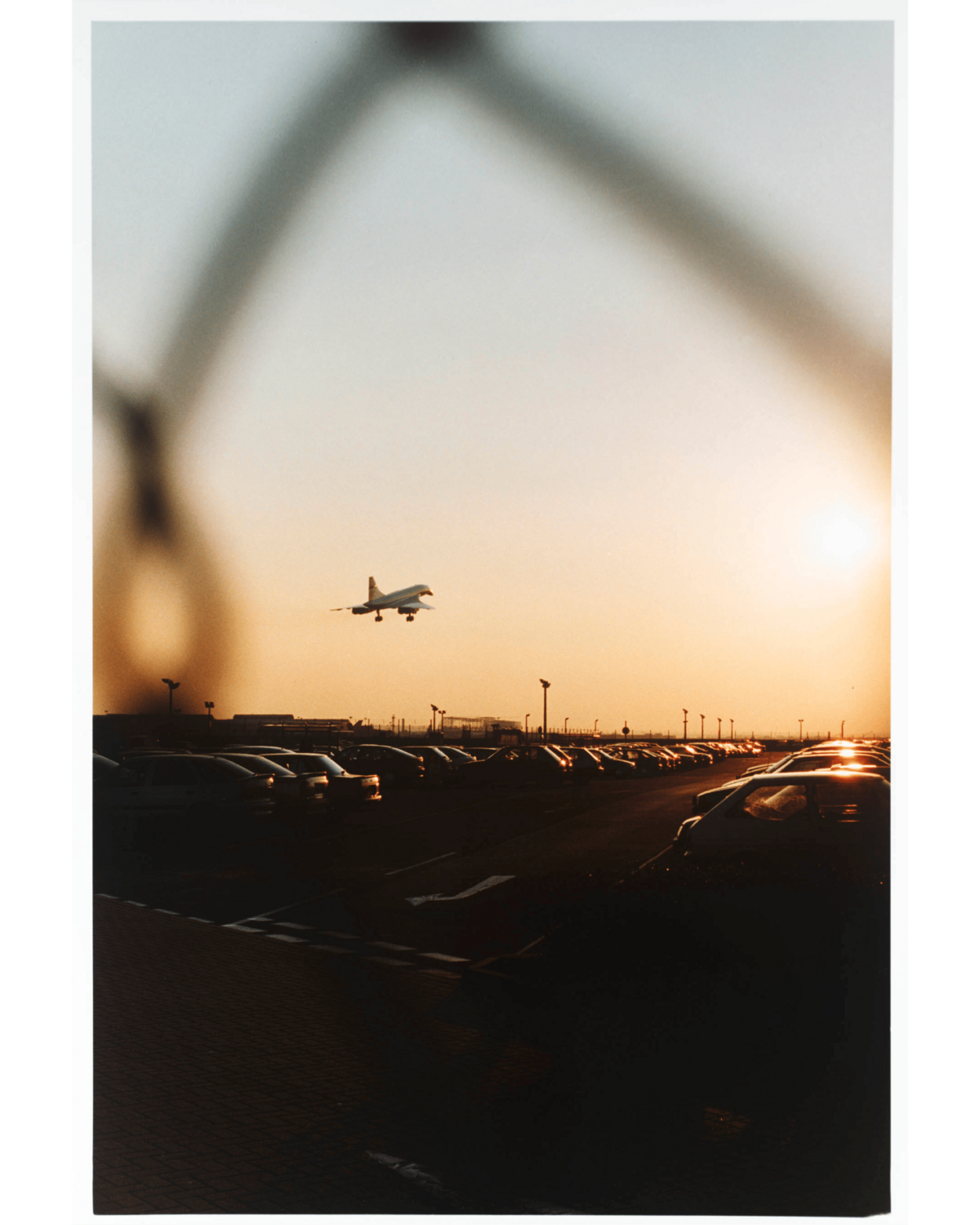
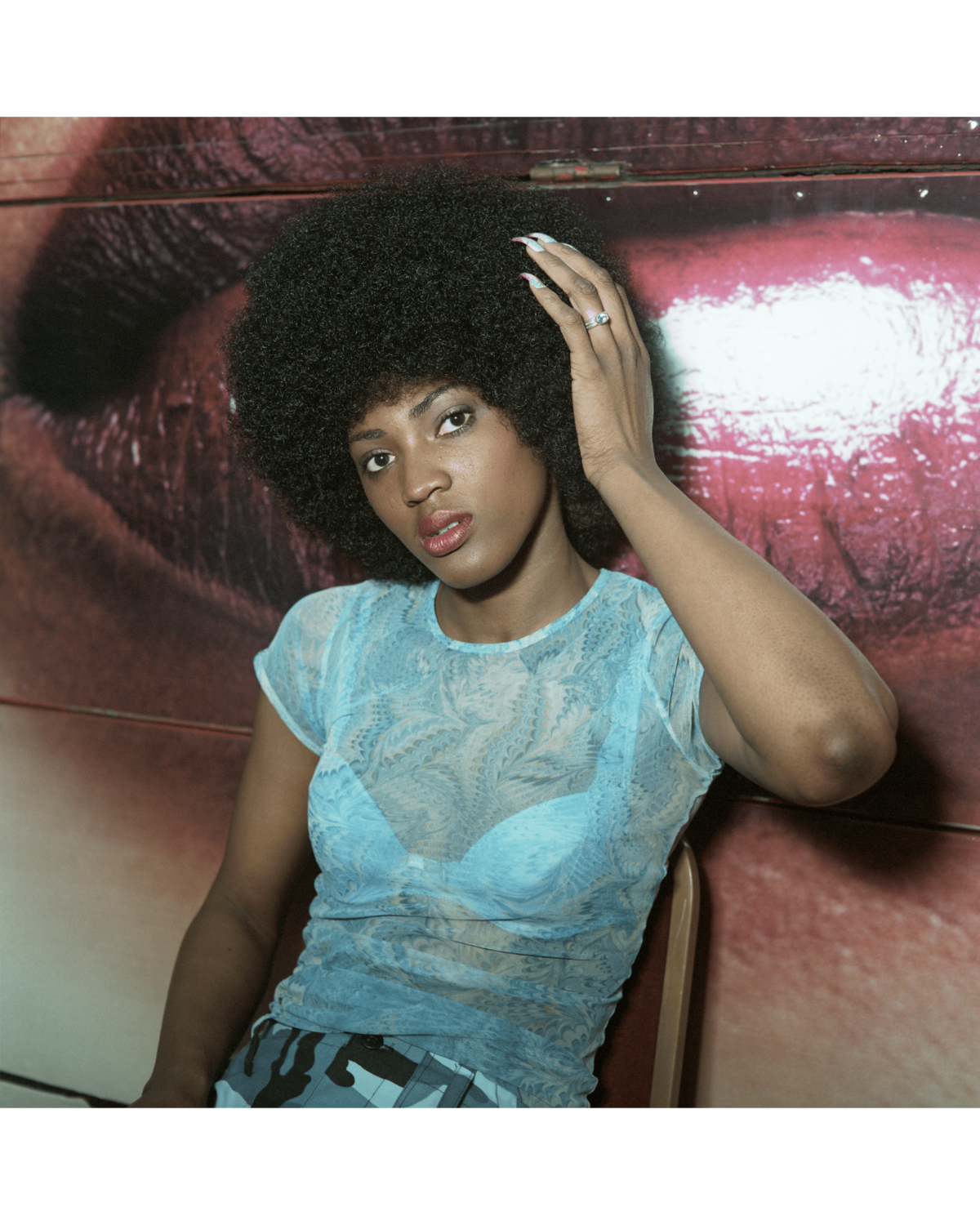
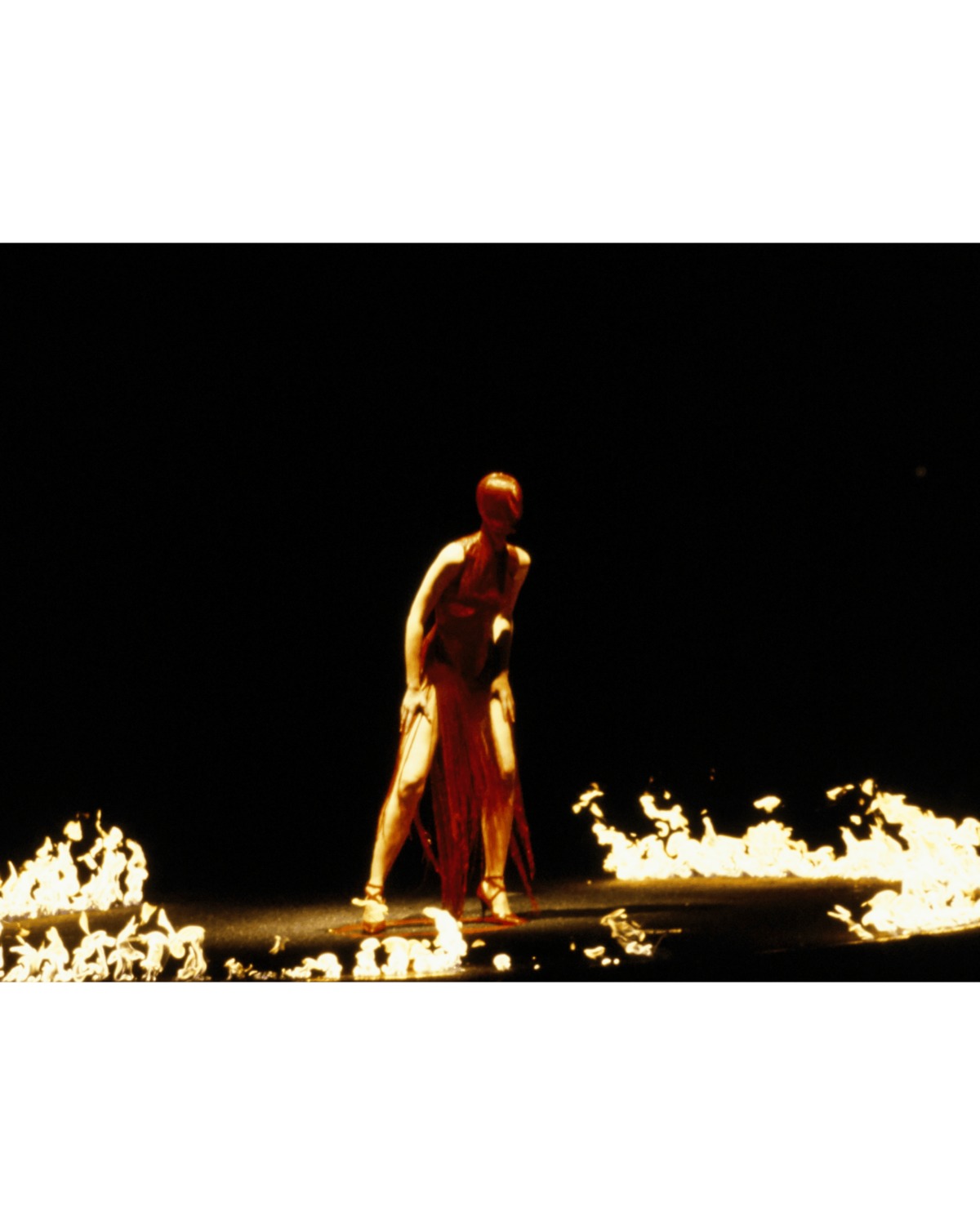
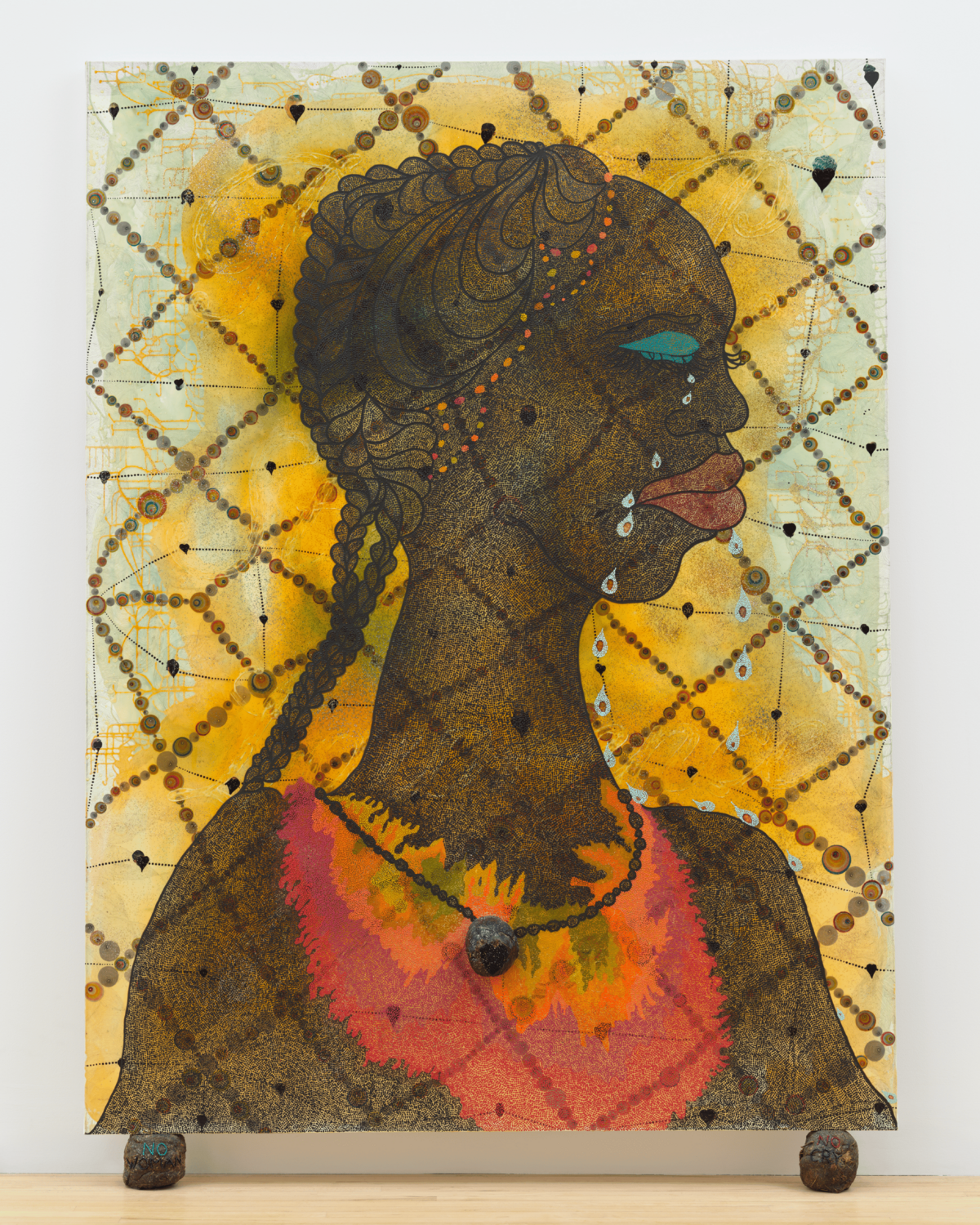
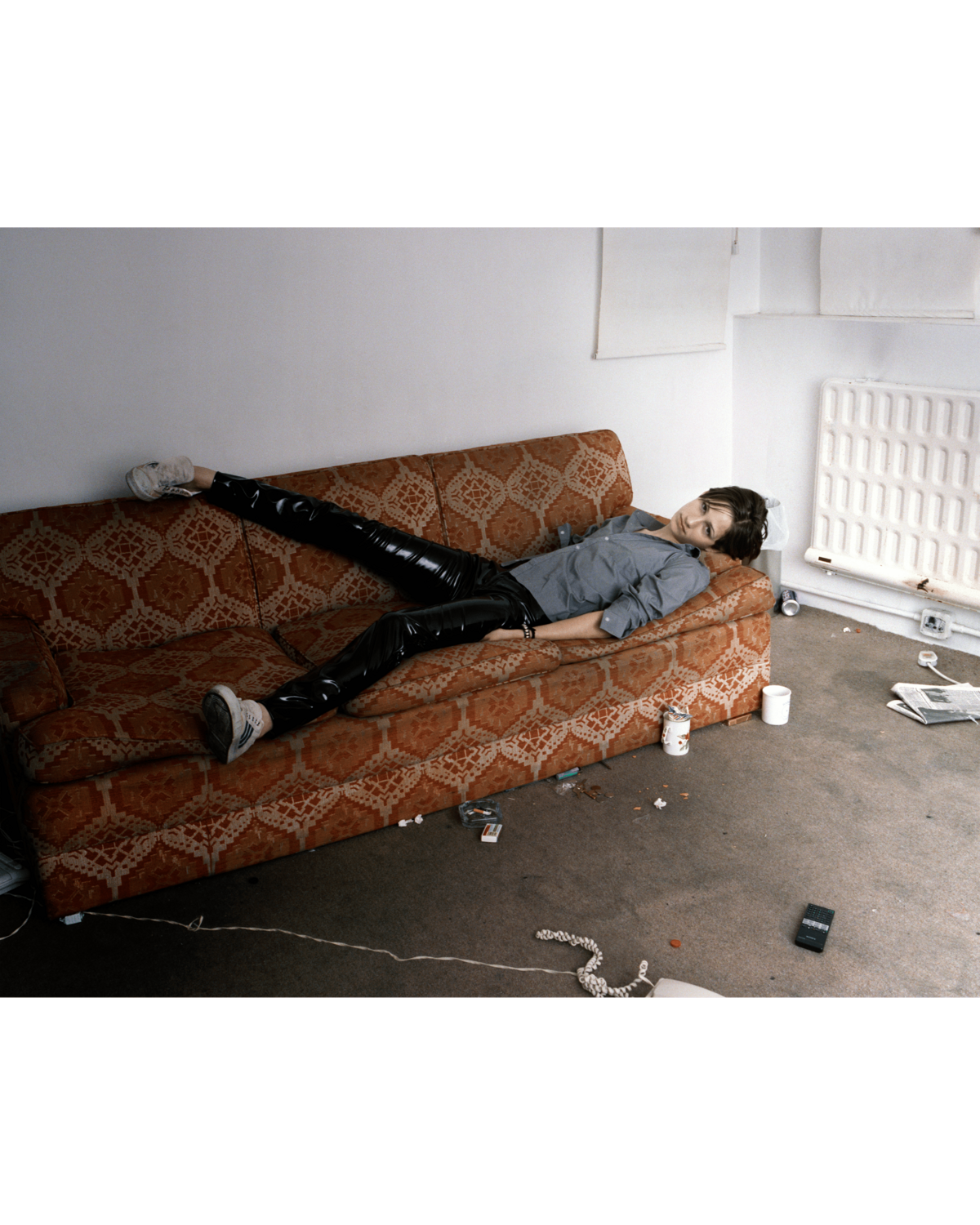
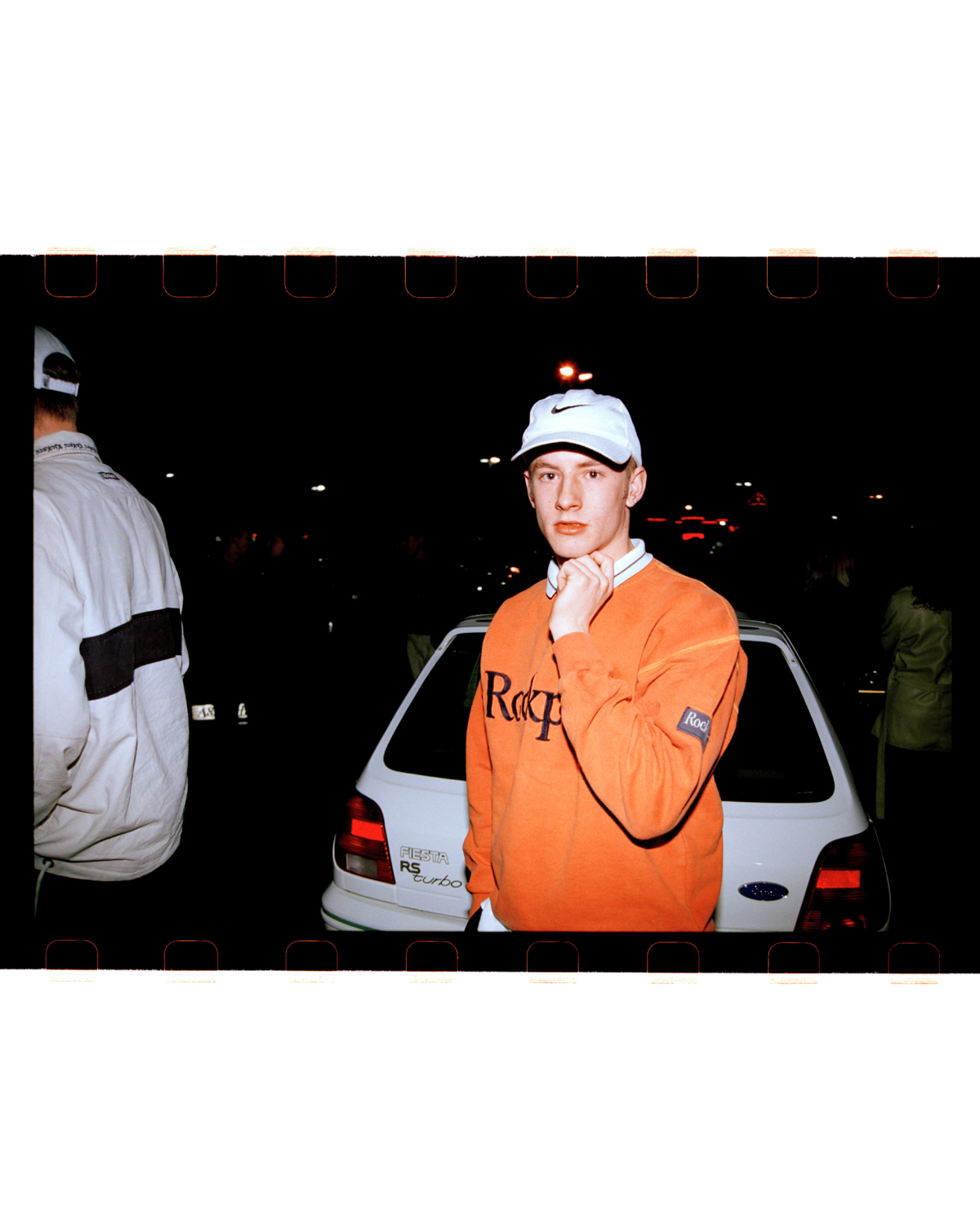
“The 90s: Art and Fashion,” now installed at Tate Britain and curated by Edward Enninful, stirs a longing for printed matter, analog media, anthems of techno and grunge; a pre-smartphone era—the last vestige of privacy. But Enninful’s intention is critical reflection rather than nostalgia. The more than 100 photographs, paintings, sculptures, and garments mark a decisive shift in aesthetic tenor: a sobering up from the glamorous excess that marked the previous decade and a democratization of who takes part in the dialogue. Emerging in the heady aftermath of Thatcherism and a Britain still in flux, a new generation of artists, photographers, and designers began to explore weightier existential topics like identity and belonging, which gave rise to a visual vernacular marked by realness, restraint, and irreverence. This aesthetic, dubbed “Cool Britannia,” launched international fervor and manifested the Zeitgeist in England and beyond.
Born in Ghana to Army Major Crosby Enninful and mother, Grace, a seamstress, Edward soared to fame in the early 90s when appointed fashion director of i-Dmagazine shortly after his 18th birthday. Though ostensibly hired as a “stylist,” he served as more of a cultural curator whose vision helped launch a sartorial palette cleanse from 80s maximalism and collective shift from conspicuous display. “In the 80s, fashion was about wealth, polished glamour, eight-foot-tall supermodels, and excess,” says Enninful. “By the turn of the decade, a group of us felt this real need to break that down and inject real life back into creativity. We didn’t have money, so we customized everything, and took inspiration from underground raves, night buses, and street culture.”