
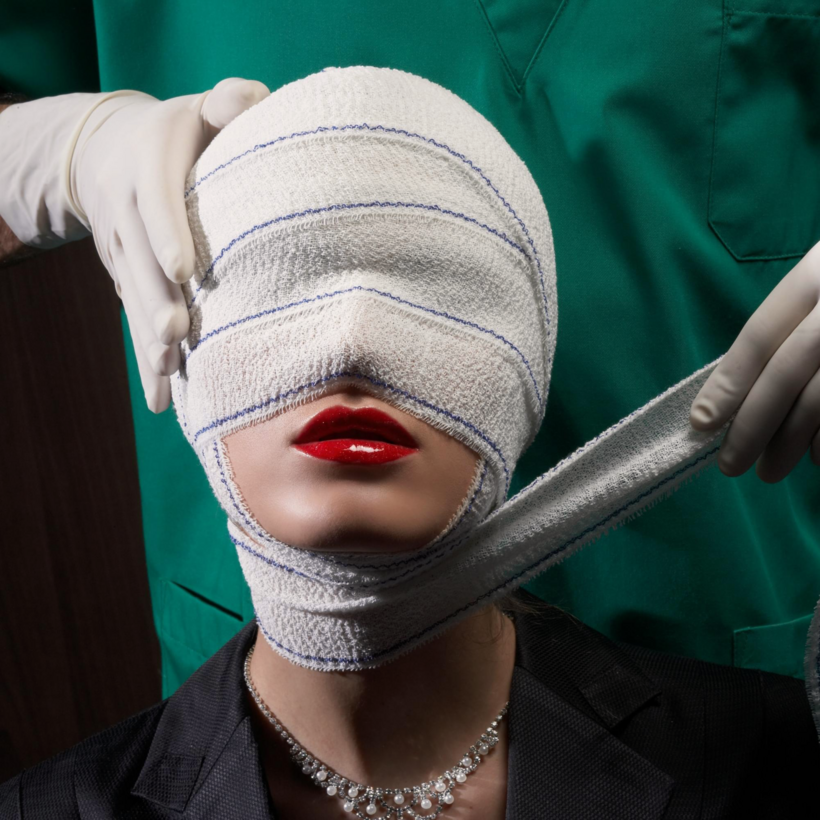

You’re sitting in a salon doing your best not to stare critically at yourself in the mirror when your hairstylist says, “You’re ready now.” He might not be talking bangs or layers. “It’s your time,” he adds. And you think, “Oh, good!” because clearly you have no idea what’s coming next. Trust me, the conversation won’t end there: “You should do your eyes” and “You need to deal with the lower part of your face.” That’s when a light bulb flickers behind your apparently hooded lids. He—or, in this case, Garren, the hairstylist who said these exact words, kindly, gently—is recommending plastic surgery.
Hairstylists and makeup artists have an unsung role that has nothing to do with their day jobs. They’ve become some of the most active and trusted sources for surgeon referrals. You would think patients would find their cosmetic surgeon from other doctors, from their friends whispered over kale salads, or from one of those best-doctor lists. And they do. But prospective patients put an enormous amount of stock in the opinions of their hair and makeup people.