On December 7, 1941, the artist Isamu Noguchi was driving in Los Angeles when he learned that Japan had attacked Pearl Harbor. “With a flash I realized I was no longer the sculptor alone,” he would write. “I was not just American but Nisei. A Japanese-American.” Three months later, Noguchi arrived at an internment camp on the Colorado River Indian Reservation, looking to establish an arts-and-crafts program for internees. Born to an Irish-American teacher and a Japanese poet, Noguchi fervently advocated for Japanese-American civil rights. “I felt this war very keenly, and wished to serve the cause of democracy in the best way that seemed open to me.” Noguchi was not the only artist affected. George Nakashima and his family were forcibly interned; he used scrap material to continue his carpentry. In 1942, the teenage Ruth Asawa was incarcerated first in California, then in Arkansas. She passed the time by drawing. United by this unfair treatment, a shared history of resistance emerged, from Noguchi’s lamps to Asawa’s wire sculptures. This exhibition at the Barnes highlights the work of Japanese-American artists, and how they shaped postwar American aesthetics through furniture and design. —Maggie Turner
Arts Intel Report
Noguchi to Asawa: Designing Postwar America
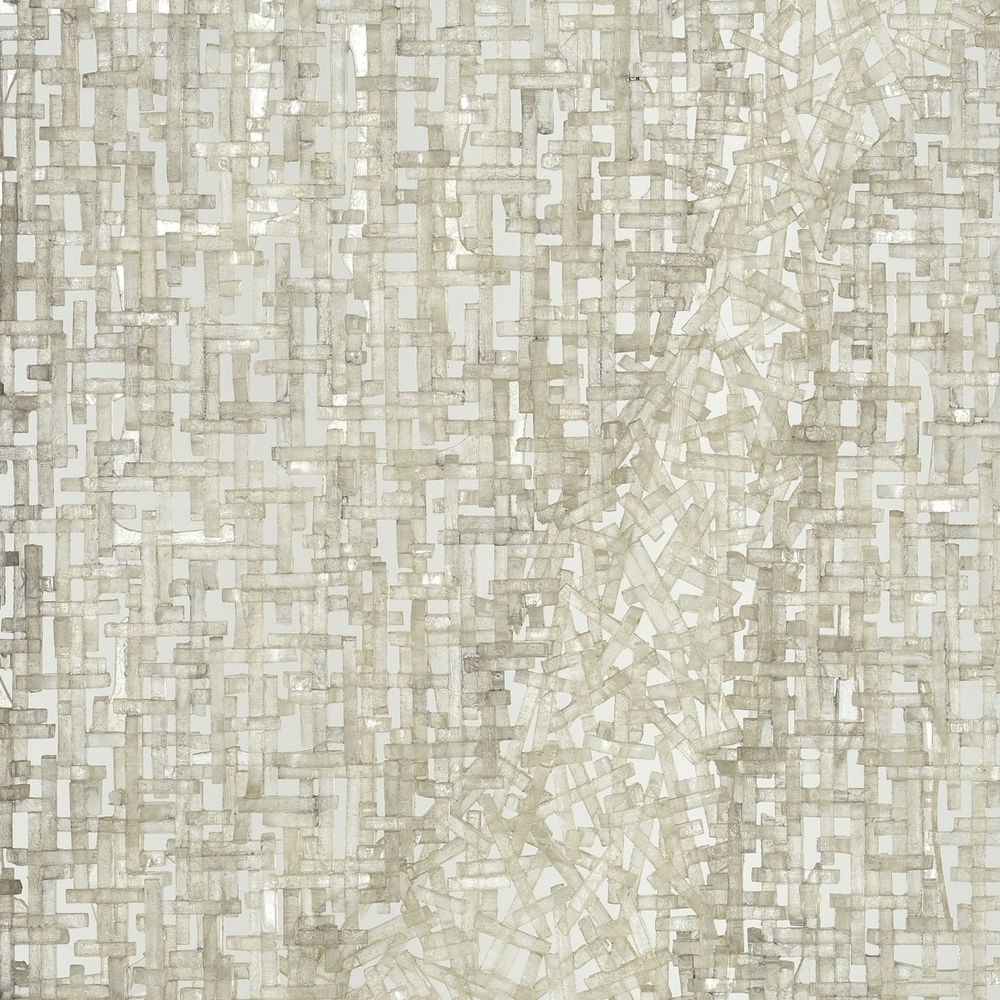
Leo Amino, In-Between (detail), 1962.