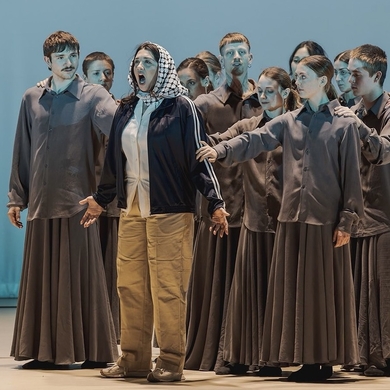
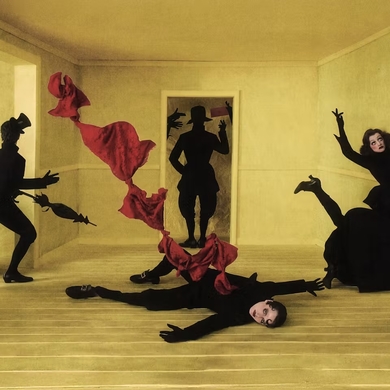
Much to his annoyance, contemporaries apt to find the music of Hector Berlioz outré and hard on the ear were pleasantly surprised by his post-Nativity oratorio L’Enfance du Christ (Christ’s Childhood). “Many people imagined they could detect a radical change in my style and manner,” the composer-librettist wrote. “This opinion is entirely without foundation. The subject naturally lent itself to a gentle and simple style of music, and for that reason alone was more in accordance with their taste and intelligence.” But what, we ask, is gentle or simple about the raving Herod or the diabolical soothsayers who drive him to mass infanticide? What’s gentle or simple about Mary and Joseph’s anguish when they arrive in Egypt to find doors slamming in their faces? Is the tense, atmospheric march of soldiers in the night gentle or simple? No, and as we can see in retrospect, it paved the way to a nocturne in Les Troyens, the epic opera Berlioz was shortly to embark upon. Conversely, the way the oratorio embeds brief, sometimes quite peripheral narrative episodes in a panoramic symphonic fresco harks back to his “dramatic symphony” Roméo et Juliette. In Hamburg, the refined colorist Robin Ticciati leads the Chamber Orchestra of Europe, the choristers of the NDR Vokalensemble, and an outstanding quartet of soloists: the mezzo-soprano Samantha Hankey as Mary; the tenor Cyrille Dubois as the Narrator (modeled on the Bach Evangelists) and a Centurion; the baritone Stéphane Degout as Joseph and Polydorus, Herod’s prickly commander of the guard; and in the plum assignment of Herod, half crazed with panic, the bass William Thomas, who returns later as the unnamed Ishmaelite carpenter who simply and gently invites Joseph to join him in his shop. —Matthew Gurewitsch
Arts Intel Report
L'Enfance du Christ, by Hector Berlioz
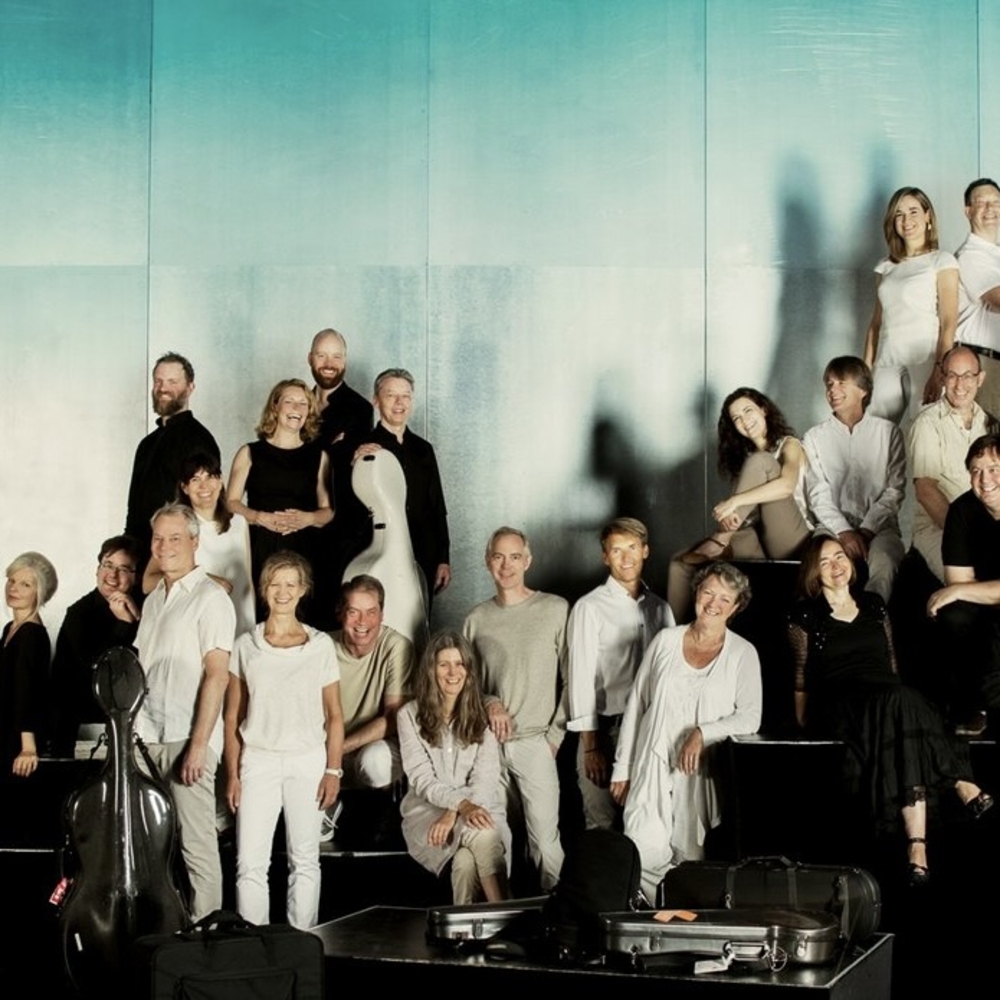
The Chamber Orchestra of Europe.